
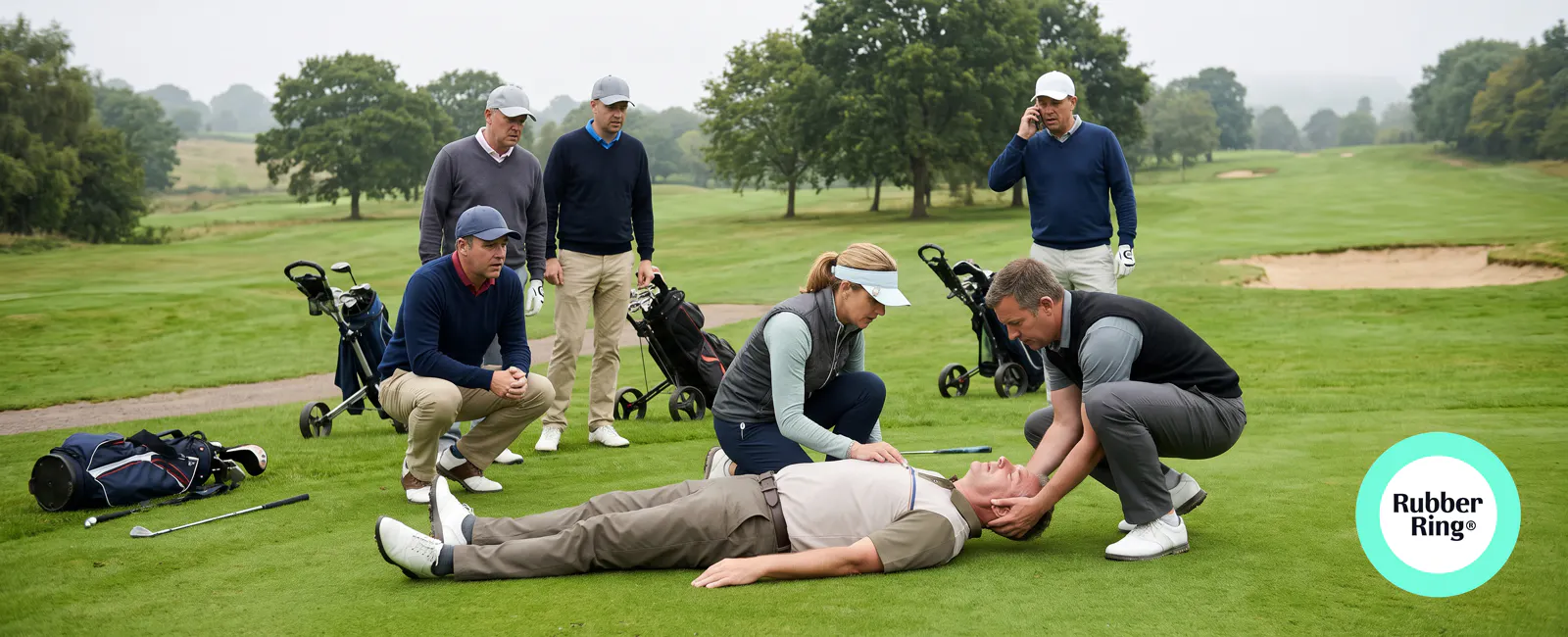
What Happens if You Hit Someone With a Golf Ball? Are You Liable?
Robert Jones
November 03, 2026
・ 8 min

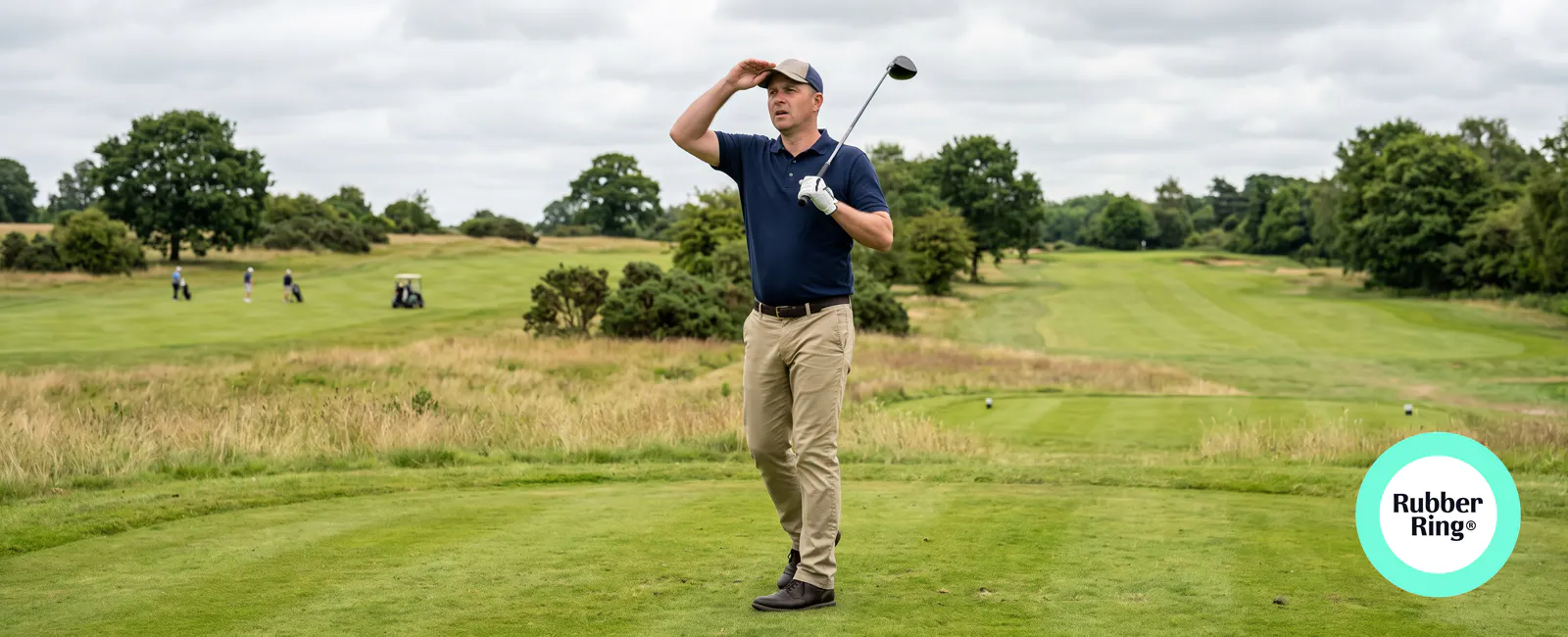
We've all hit a bad golf shot. A sliced drive, an unexpected hook or a ball that flies somewhere completely different from where we intended.
Usually, the consequences are a lost ball, a penalty stroke or a few embarrassed looks from our playing partners.
But for one golfer in Scotland, a wayward tee shot resulted in a devastating injury, a lengthy legal battle and almost £400,000 in compensation.
The case of Phee v Gordon, involving an accident at Niddry Castle Golf Club in West Lothian, remains an important example of the potential consequences of negligence on a golf course.
It also raises a question every golfer should consider: if your golf ball seriously injures someone, could you be held financially responsible?
On 10 August 2007, Anthony Phee was enjoying a round of golf with colleagues at Niddry Castle Golf Club in Winchburgh, West Lothian.
Mr Phee was an inexperienced golfer visiting the course for the first time.
While walking along a path between holes, he was struck in the eye by a golf ball hit by another player, James Gordon, who was teeing off from the 18th hole.
Mr Gordon had intended to drive his ball down the fairway, but the shot went sharply left, travelling towards the area where Mr Phee was walking.
A warning shout of "FORE!" was given, but Mr Phee was unable to avoid the incoming ball.
The consequences were devastating.
Mr Phee suffered a severe eye injury and ultimately lost his left eye. The injury also affected his ability to work and earn a living.
He subsequently brought legal proceedings against both the golfer responsible for the shot and Niddry Castle Golf Club.
The resulting case would become one of the most widely discussed golf liability judgments in the UK.

The central issue was whether Mr Gordon had taken reasonable care before playing his shot.
Golfers are expected to understand that shots don't always travel in their intended direction.
Even experienced players occasionally slice, hook or mishit the ball.
However, this doesn't remove the responsibility to consider the safety of other people on the course.
The court examined the position of Mr Phee, the layout of the course and whether Mr Gordon should reasonably have anticipated the danger.
At the original hearing in 2011, the court concluded that Mr Gordon had been negligent in playing his shot when there was a foreseeable risk to people in the area.
Importantly, the court did not decide that every golfer is automatically liable whenever a wayward shot causes an injury.
Instead, the finding depended on the particular circumstances and whether reasonable precautions had been taken.
The golfer wasn't the only party held responsible.
The court also examined whether Niddry Castle Golf Club had taken appropriate steps to protect players using the course.
The layout created a potential hazard where golfers walking between holes could be exposed to shots from the 18th tee.
The court found that the club had failed to provide adequate warnings about this danger.
This was particularly relevant because visiting golfers might not be familiar with the layout or recognise the potential risk.
The case demonstrated that golf clubs have responsibilities of their own, including identifying foreseeable hazards and taking reasonable steps to reduce risks to members and visitors.
The legal proceedings produced two important judgments.
In November 2011, the Court of Session in Edinburgh found both the golfer and the golf club responsible for Mr Phee's injuries.
The agreed damages totalled £397,034.82.
Initially, responsibility was divided as follows:
• James Gordon, the golfer was liable for approx. £277,924 (70%)
• Niddry Castle Golf Club was liable for approx. £119,110 (30%)
The 2013 Appeal Changed the Outcome
In March 2013, the Inner House of the Court of Session upheld the findings of liability but changed how responsibility was divided.
The appeal judges concluded that the golf club should bear a significantly greater proportion of responsibility because of its failure to provide appropriate warnings about the course layout.
The revised allocation was:
• James Gordon, the golfer approx. £79,407 (20%)
• Niddry Castle Golf Club was liable for approx. £317,628 (80%)
The overall compensation award remained approximately £397,000.
Although the golfer's share was reduced, he was still held legally responsible for a substantial proportion of the damages.
The case highlights how an apparently ordinary golf shot can result in serious financial consequences when negligence is established.
One of the most interesting aspects of the case is that a warning was shouted before the ball struck Mr Phee.
However, the warning did not prevent the court from finding that the golfer had been negligent.
Shouting "FORE!" is an essential part of golf safety. It gives people an opportunity to protect themselves when a ball travels towards them.
But it isn't a substitute for taking reasonable care before making a shot.
If another golfer is clearly within range, the safest approach is to wait until they have moved to a safe position.
A warning after a dangerous shot doesn't automatically excuse the decision to play that shot in the first place.
Equally, an unexpected wayward shot doesn't automatically establish negligence. Legal responsibility depends on the circumstances.
Most golfers will never be involved in an incident as serious as the one at Niddry Castle.
Nevertheless, the risks are real.
Think about some familiar situations:
Not every incident will result in a successful compensation claim.
But where a golfer fails to take reasonable care and that failure causes injury, they may face legal action.
And if the injuries are serious, the financial consequences can be significant.
Personal liability insurance is designed to provide financial protection if you're held legally responsible for accidentally injuring another person or damaging their property.
Depending on the policy terms, it can cover compensation you're legally required to pay and associated legal defence costs.
Without suitable cover, a golfer facing a substantial claim could potentially be exposed to significant personal financial liabilities.
This is why personal liability protection is one of the most important features of specialist golf insurance.
Rubber Ring Golf Insurance includes up to £5 million personal liability cover with every annual policy.
This provides financial protection against eligible claims arising from incidents where you're held legally liable while playing golf, subject to the policy terms, exclusions and conditions.
To put that into perspective, the £397,000 damages awarded in the Niddry Castle case represented a substantial financial liability arising from a single golf shot.
Rubber Ring's £5 million personal liability limit is more than twelve times that amount.
Of course, the existence of a policy limit doesn't guarantee that every claim will be covered. The circumstances must fall within the policy's insured risks and conditions.
Nevertheless, suitable personal liability insurance can provide important protection against the financial consequences of an unexpected accident.
Some golf clubs provide personal liability insurance benefits for members through their own arrangements or national golfing affiliations.
However, the extent of this protection can vary.
It's worth checking whether your existing cover applies:
You should also check the financial limits and any relevant exclusions.
If you rely on insurance through your golf club, ask for the policy details rather than assuming you're fully protected.
Specialist annual golf insurance can provide an additional source of protection, subject to the applicable policy terms and arrangements where more than one policy may respond.
The Niddry Castle case provides several practical lessons for golfers of every ability.
1. Always check before playing your shot
Make sure the area ahead is clear, including adjoining fairways, footpaths and areas where other golfers may be walking.
2. Don't rely on shouting "FORE!" alone
Warnings are important, but they don't replace the need to take reasonable care before playing.
3. Be particularly careful on unfamiliar courses
When visiting a new course, pay attention to warning signs, crossing points and potential hazards that might not be immediately obvious.
4. Understand your personal liability
Accidentally causing an injury doesn't automatically make you negligent, but failing to take reasonable precautions could leave you facing a compensation claim.
5. Check your golf insurance
Make sure you understand what personal liability protection you have, where it applies and whether the limits are appropriate.
When golfers think about insurance, they often focus on protecting expensive equipment.
A new driver, custom-fitted irons or an electric trolley can represent a considerable investment.
But the financial consequences of a serious personal injury claim could be much greater than the cost of replacing your golf clubs.
That's why Rubber Ring Golf Insurance combines equipment protection with personal liability cover.
Every annual policy includes:
And with annual policies starting from just £29.99, protecting yourself against the unexpected can cost less than a round of golf.
The Niddry Castle case is a reminder that even a single golf shot can have consequences far beyond the fairway.
You can't guarantee that every shot will go where you intended.
But you can take reasonable precautions and make sure you have appropriate insurance protection if something goes wrong.
Worry Less, Golf More.
Explore Rubber Ring Golf Insurance and get a quote
This article discusses the Scottish legal case Phee v Gordon and provides general information only, not legal advice. Insurance cover is subject to the applicable policy wording, limits, exclusions and conditions.
Yes. A golfer may face a compensation claim if their actions were negligent and caused injury to another person. However, an accidental wayward shot doesn't automatically establish legal liability.
The case involved Anthony Phee, who lost his left eye after being struck by a golf ball at Niddry Castle Golf Club in Scotland in 2007. He was awarded approximately £397,000 in damages following legal proceedings against the golfer responsible and the golf club.
Following a 2013 appeal, legal responsibility was allocated 80% to Niddry Castle Golf Club and 20% to the golfer, James Gordon. The case involved their respective insurers, although the court's allocation of liability should not be confused with independently verified details of the eventual payment arrangements.
No. Shouting "FORE!" is an important warning, but it doesn't automatically prevent a finding of negligence if you failed to take reasonable care before playing your shot.
There is no single amount suitable for every golfer. Serious injury claims can be expensive, so it's important to consider both the financial limit and the scope of cover. Rubber Ring includes up to £5 million personal liability protection as standard.
Rubber Ring provides up to £5 million personal liability cover for eligible claims where an insured golfer is held legally responsible for an incident while playing golf, subject to the policy terms and conditions.
What Happens if You Hit Someone With a Golf Ball? Are You Liable?
Robert Jones
November 03, 2026
・ 8 min
Why Every Golf Club Needs Members and Visitors Insurance
Robert Jones
August 16, 2025
・ 3 min